Homemade ice cream texture issues often stem from freezing methods, ingredient ratios, or churn timing. This guide breaks down why ice cream turns icy and how to fix it for consistently creamy results—fast and reliably. Whether you’re preparing for a casual gathering or a special dessert, applying these tips will elevate your frozen treats.
Step-by-Step Instructions for Creamy Ice Cream
- Choose the Right Fat Content
- Use at least 10-14% milk fat (heavy cream or whole milk) for rich texture.
- Fat prevents large ice crystals and creates a smooth mouthfeel.
- Balance Sugar Contributions
- Sugar lowers freezing point, controlling iciness.
- Use between 14-20% sugar by weight of the liquid base.
- Include Stabilizers or Emulsifiers
- Egg yolks or commercial stabilizers (like gelatin) improve creaminess.
- These reduce ice crystal growth during freezing.
- Chill Your Base Thoroughly Before Churning
- Overnight refrigeration ensures better freezing and texture.
- Use an Efficient Ice Cream Maker
- Rapid freezing and constant churning limit crystal size, enhancing creaminess.
- Don’t Overfill the Freezer During Hardening
- Leave space around the container for cold air circulation.
- Store Ice Cream Properly After Freezing
- Use airtight containers to reduce moisture and prevent ice build-up.
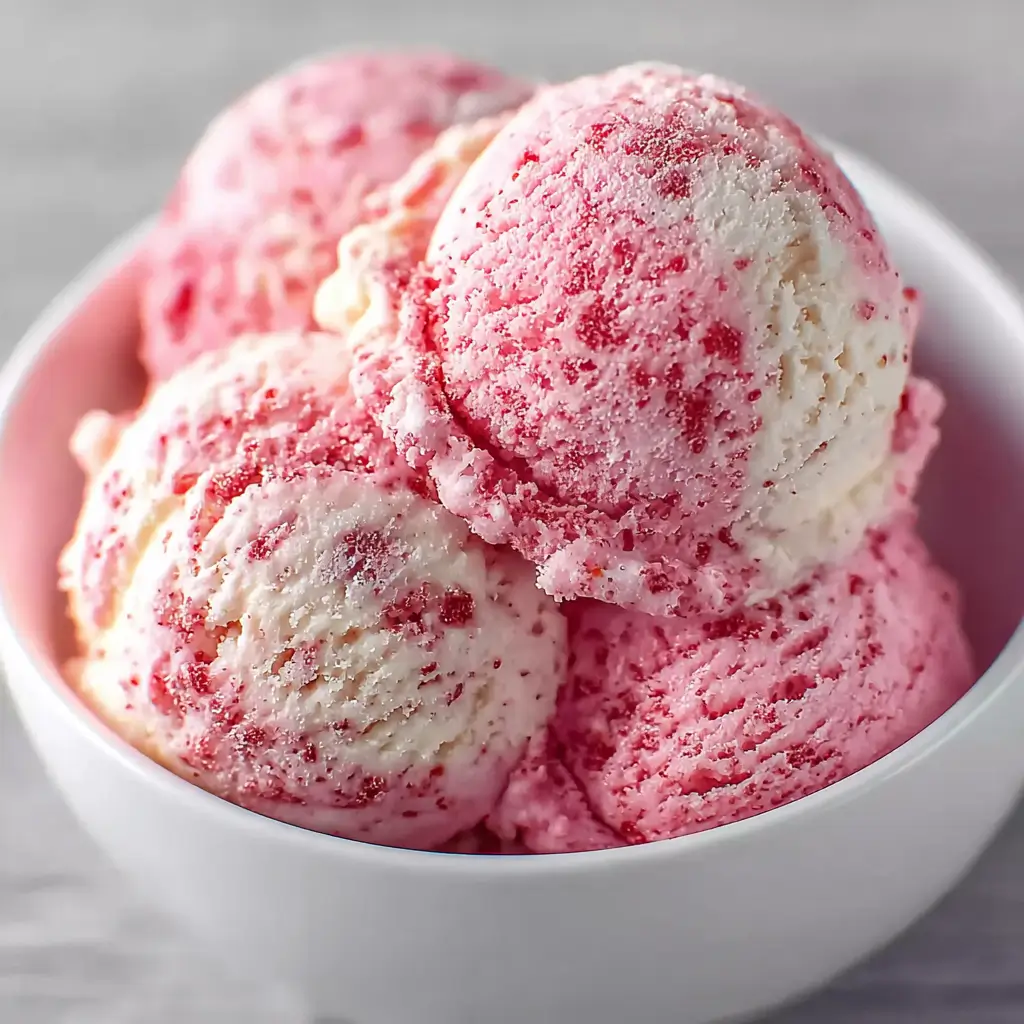
Why Ice Crystals Form in Ice Cream
- Slow freezing allows large crystals to grow. Quick freezing is critical.
- Low fat and insufficient sugar don’t inhibit crystallization effectively.
- Excess water content freezes as ice, causing graininess.
Understanding this is key for homemade ice cream without industrial stabilizers.
How Ingredients Influence Texture
- Cream & Milk: More fat = creamier texture.
- Sugar: Controls sweetness and freezing point.
- Egg yolks: Provide lecithin, improving emulsion and stability.
- Add-ins: Frozen fruit or large chunks can increase iciness if added directly without preparation.
For a savory meal balance, try pairing your creamy ice cream dessert with hearty dishes like hearty lentils with caramelized onions.
Tips for Perfect Texture
- Chill bowls and spoons before serving to prevent melting and refreezing.
- Avoid repeated thawing and refreezing; it promotes iciness.
- Experiment with natural stabilizers like cornstarch or gelatin for homemade recipes.
At this stage, for inspiration on rich dishes to complement your dessert, explore creamy broccoli cheddar soup for a cozy meal.
Common Mistakes to Avoid
- Mistake: Using low-fat milk or cream.
Fix: Use at least 10-14% milk fat for creamy mouthfeel. - Mistake: Not chilling the ice cream base enough before churning.
Fix: Refrigerate base for 6+ hours or overnight. - Mistake: Overfilling freezer or poor storage.
Fix: Use shallow containers, airtight lids, and allow air circulation.
FAQ
Q1: Can I fix icy ice cream after it has frozen?
If your ice cream has already gotten icy, try stirring it vigorously as it softens, or briefly blend in a blender before refreezing. Keep in mind this is a temporary fix.
Q2: How does sugar help in ice cream texture?
Sugar lowers the freezing point and inhibits large ice crystals from forming, which keeps ice cream smoother. For precise sugar balance in recipes, check out monterey chicken spaghetti pasta for sweet and savory recipe ratios.
Q3: Are there dairy-free ways to reduce iciness in ice cream?
Yes. Use coconut milk for fat, add sugar or honey carefully, and stabilize with cornstarch or agar agar to maintain creamy texture.
Nutritional Snapshot (Per ½ cup serving)
| Nutrient | Amount per Serving |
|---|---|
| Calories | 210 |
| Protein | 3 g |
| Fat | 14 g |
| Net Carbs | 18 g |
| Fiber | 0 g |
| Sugar | 16 g |
Conclusion
Ice cream turning icy instead of creamy is a common challenge easily fixed by balancing ingredients and freezing techniques. Understanding why iciness happens will help you enjoy perfectly smooth ice cream every time. For further inspiration, check out delightful pistachio cream cake to expand your dessert repertoire. Drop your questions in the comments, share your successes, and subscribe for more flavor-packed tips from Meaty Delights.