This recipe delivers impossibly tender, fall-off-the-bone beef in a rich, velvety sauce every single time. It’s a true showstopper, perfect for a Sunday dinner or special occasion, and offers the same deep, comforting satisfaction as my popular Chicken Wild Rice Casserole. The low-and-slow braise does all the work, creating a deeply flavorful meal that tastes like it came from a high-end restaurant.
Why This Method Works
This isn’t just a recipe; it’s a reliable technique. The magic lies in a few key principles that guarantee success.
- The Maillard Reaction: Searing the ribs in a hot pan before braising creates a deep brown crust. This isn’t about cooking the meat through; it’s about developing hundreds of complex flavor compounds that form the foundation of your sauce.
- Low & Slow Collagen Breakdown: Short ribs are a tough cut, rich in connective tissue (collagen). Braising them at a low temperature for several hours allows this collagen to slowly melt into luscious, tender gelatin, which gives the meat its signature silky texture and enriches the sauce.
- A Balanced Braising Liquid: The combination of dry red wine (acid), rich beef broth (savory depth), and tomato paste (umami) creates a perfectly balanced liquid that tenderizes the meat while building an incredible pan sauce.
Ingredient Deep Dive: Choosing Your Short Ribs
The quality of your final dish starts at the butcher counter. Not all short ribs are created equal.
- Cut is Key: Ask for English-cut short ribs. These are thick, blocky pieces with a single bone, ideal for braising. Avoid Flanken-cut ribs, which are cut thinly across the bone and are better suited for fast-cooking methods like grilling.
- Look for Marbling: Seek out ribs with a good ratio of meat to fat. Intramuscular fat (marbling) will melt during the long cooking process, basting the meat from within and keeping it moist and flavorful.
- Bone-In is Best: Always choose bone-in. The bone insulates the meat, promoting even cooking, and releases collagen and marrow into the braising liquid, adding immense depth and body to the final sauce.
The Braising Liquid: Building a Flavor Foundation
Your braising liquid is more than just a cooking medium; it’s the source of your sauce. Each component has a critical role.
- Aromatics (Mirepoix): The classic trio of onion, carrots, and celery forms the aromatic base. Cooking them until softened and lightly caramelized releases their natural sweetness, adding a complex background note.
- Tomato Paste: Don’t skip this. “Toasting” the tomato paste in the pan for a minute before adding liquids deepens its flavor from raw and tangy to rich and savory, boosting the umami factor.
- Red Wine: Use a dry, full-bodied red wine you’d be happy to drink, like a Cabernet Sauvignon, Merlot, or Zinfandel. The wine’s acidity helps tenderize the beef, and its tannins add structure to the sauce.
- Beef Broth: Opt for a low-sodium, high-quality beef broth or stock. This will be the backbone of your sauce, so using a flavorful one makes a significant difference.
Step-by-Step Instructions
- Prep the Ribs: Preheat your oven to 325°F (165°C). Pat the short ribs completely dry with paper towels. Season them generously on all sides with salt and freshly ground black pepper. This is a critical step for a good sear.
- Sear the Meat: Heat the olive oil in a large Dutch oven or heavy-bottomed pot over medium-high heat until it shimmers. Working in batches to avoid crowding the pan, place the short ribs in the pot and sear for 3-4 minutes per side, until a deep, brown crust forms. Transfer the seared ribs to a plate and set aside.
- Sauté the Aromatics: Reduce the heat to medium. Add the chopped onion, carrots, and celery to the pot. Sauté, stirring occasionally, for 8-10 minutes until they have softened and are lightly browned. Add the minced garlic and cook for one more minute until fragrant.
- Build the Sauce Base: Add the tomato paste to the pot. Stir it into the vegetables and cook for 1-2 minutes until it darkens in color. This deepens its flavor.
- Deglaze the Pan: Pour in the red wine. Using a wooden spoon, scrape up all the browned bits (the “fond”) from the bottom of the pot. Bring the wine to a simmer and let it cook, reducing by about half, for 5-7 minutes.
- Combine and Braise: Return the seared short ribs to the pot, nestling them amongst the vegetables. Add the beef broth, thyme sprigs, rosemary sprig, and bay leaves. The liquid should come about three-quarters of the way up the sides of the ribs. Bring the mixture to a gentle simmer on the stovetop.
- Oven Time: Cover the pot with a tight-fitting lid and transfer it to the preheated oven. Braise for 3 to 3.5 hours, or until the meat is exceptionally tender and falling off the bone.
- Finish the Sauce: Carefully remove the pot from the oven. Transfer the short ribs to a platter. Strain the braising liquid through a fine-mesh sieve into a saucepan, pressing on the solids to extract all the liquid; discard the solids. Skim the fat from the surface of the sauce.
- Reduce and Serve: Bring the sauce to a simmer over medium heat and let it reduce for 10-15 minutes, or until it has thickened to your desired consistency. Taste and adjust seasoning with salt and pepper. Pour the rich sauce over the short ribs and serve immediately, garnished with fresh parsley.
Perfect Pairings and Serving Suggestions
These rich, savory ribs demand classic comfort food accompaniments to soak up every last drop of the incredible sauce.
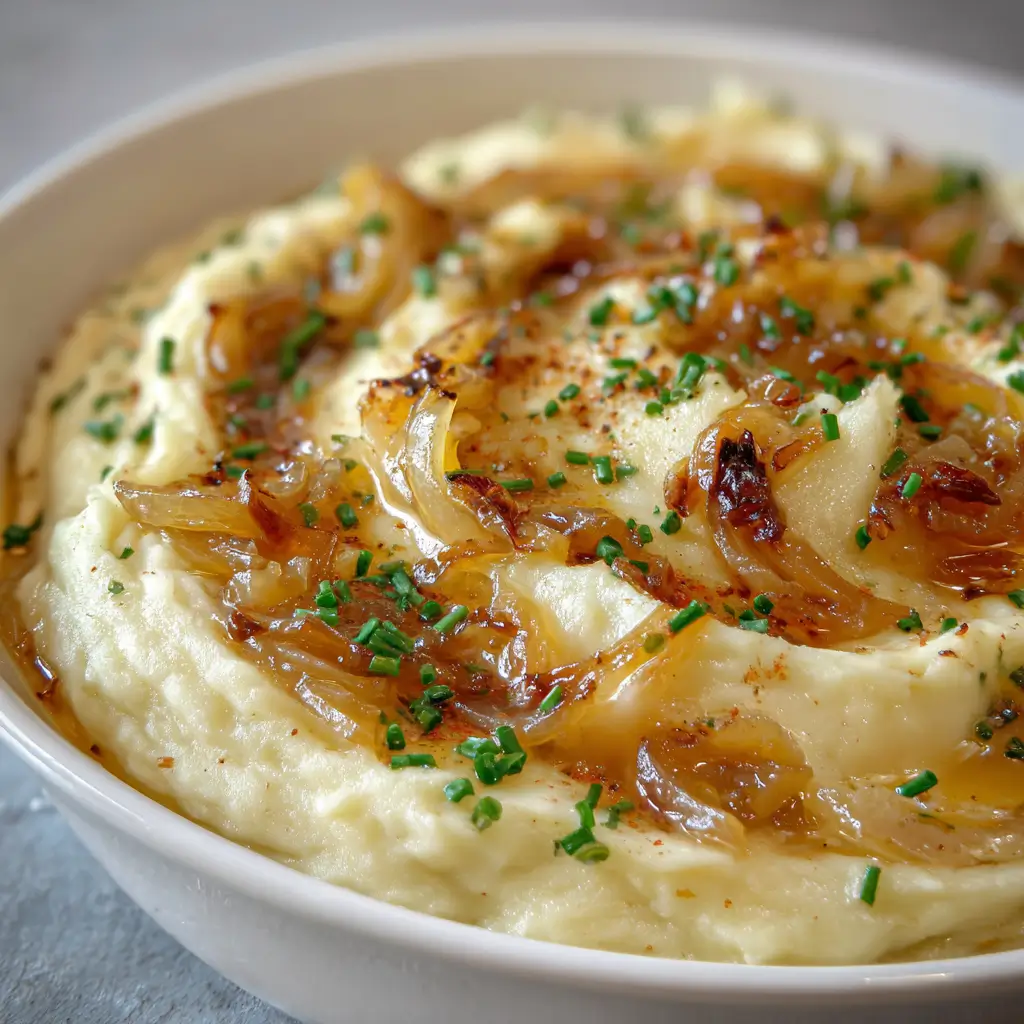
- Starch is a Must: Serve over a bed of creamy mashed potatoes, soft polenta, or buttered egg noodles.
- Don’t Forget Bread: A crusty loaf is non-negotiable. For a truly next-level experience, serve with a warm loaf of homemade Swirled Garlic Herb and Cheese Bread.
- Add Some Green: Balance the richness with a simple green vegetable like roasted asparagus, sautéed green beans, or a simple side salad with a sharp vinaigrette.
After a meal this satisfying and rich, you might want a truly decadent dessert to round things out. For chocolate lovers, a slice of rich black magic cake is an excellent choice to end the evening on a high note.
COMMON MISTAKES TO AVOID
- Mistake: Not getting a deep brown sear. This results in a less flavorful sauce and pale-looking meat.
Fix: Ensure your pan is very hot and your short ribs are completely dry before they hit the oil. Don’t overcrowd the pan; sear in batches if necessary. - Mistake: Rushing the braise. Pulling the ribs out too early will result in tough, chewy meat.
Fix: Trust the process. The 3-hour mark is a minimum. The ribs are done when a fork can easily shred the meat with almost no resistance. - Mistake: Serving a greasy sauce. A thick layer of fat can make the final dish feel heavy and unappealing.
Fix: Use a spoon or a fat separator to skim as much rendered fat as possible from the sauce before reducing it. For best results, cool the entire dish overnight in the fridge—the fat will solidify into a cap that you can easily lift off.
FAQ
Q: Can I make this in a slow cooker?
A: Absolutely. Follow steps 1-5 on the stovetop using a separate skillet. Transfer the seared ribs and the reduced sauce mixture to your slow cooker. Cook on low for 7-8 hours or on high for 4-5 hours. Finish the sauce on the stovetop as directed in steps 8-9.
Q: What if I don’t want to use red wine?
A: You can substitute the red wine with an equal amount of additional high-quality beef broth. To mimic the acidity, add 1-2 tablespoons of balsamic or red wine vinegar along with the broth.
Q: This is a rich meal. What’s a good dessert to serve afterwards?
A: After a heavy main course, a lighter dessert is often a great choice. Something elegant and not overly sweet, like these beautiful tiramisu cups, provides a perfect, creamy finish.
NUTRITIONAL SNAPSHOT
| Nutrient | Amount per Serving |
|---|---|
| Calories | 850 kcal |
| Protein | 55g |
| Fat | 62g |
| Net Carbs | 10g |
| Fiber | 2g |
| Sugar | 6g |
Fall-Apart Red Wine Braised Short Ribs
Ingredients
- 4 lbs bone-in, English-cut beef short ribs (about 8 ribs)
- 2 tbsp olive oil
- 2 medium onions (chopped)
- 3 medium carrots (chopped)
- 3 celery stalks (chopped)
- 6 cloves garlic (minced)
- 2 tbsp tomato paste
- 1.5 cups dry red wine (like Cabernet Sauvignon)
- 4 cups low-sodium beef broth
- 4 sprigs fresh thyme
- 1 sprig fresh rosemary
- 2 bay leaves
- Kosher salt and freshly ground black pepper to taste
- Fresh parsley for garnish
Did you make this recipe?
Please leave a comment on the blog or share a photo on Facebook