Making pizza at home is a rewarding challenge many home cooks face. If you’ve ever wondered why your homemade pizza is not like restaurant pizza, you’re not alone. Understanding the key differences can elevate your pie from good to great. At Meaty Delights, we dive deep into the secrets behind that perfect pizzeria crust and flavor, helping you create restaurant-quality pizza with your own hands. If you enjoy bold flavors, you might also want to check out my smash burgers with baconnaise recipe for another crowd-pleaser.
Achieving that ideal balance of crispy crust, gooey cheese, and savory toppings involves more than just throwing dough in the oven. This guide breaks down the core reasons why homemade pizza often falls short, with straightforward tips and techniques to bridge the gap.
Step-by-Step Instructions to Improve Your Homemade Pizza
- Use High-Protein Flour
- Opt for bread flour or “00” flour. These have more gluten, which creates the chewy and airy texture typical of restaurant pizzas.
- Dough texture: Should be elastic but not sticky.
- Let Dough Rest and Rise Properly
- Allow at least 1-2 hours for the first rise, then punch down and shape.
- For best results, ferment dough overnight in the fridge for layered flavor and better structure.
- Preheat Your Oven at Maximum Temperature
- Most home ovens max out around 500°F; preheat for at least 45 minutes.
- Use a pizza stone or steel for a crispy bottom crust that mimics brick ovens.
- Stretch Dough Gently by Hand
- Avoid rolling pins; gently stretch to preserve air bubbles for lightness.
- Dough should feel springy, with visible air pockets.
- Use Quality, Minimal Toppings
- Don’t overload. Less toppings = crisper crust.
- Choose fresh mozzarella, tomato sauce with simple seasoning (salt, garlic, oregano).
- Bake Directly on Stone or Steel
- Slide pizza directly onto the preheated surface.
- Bake 7-10 minutes; edges should be golden and slightly charred, cheese bubbly.
- Finish with Fresh Ingredients or Drizzles
- Add fresh basil, olive oil, or a sprinkle of grated parm after baking for complexity.
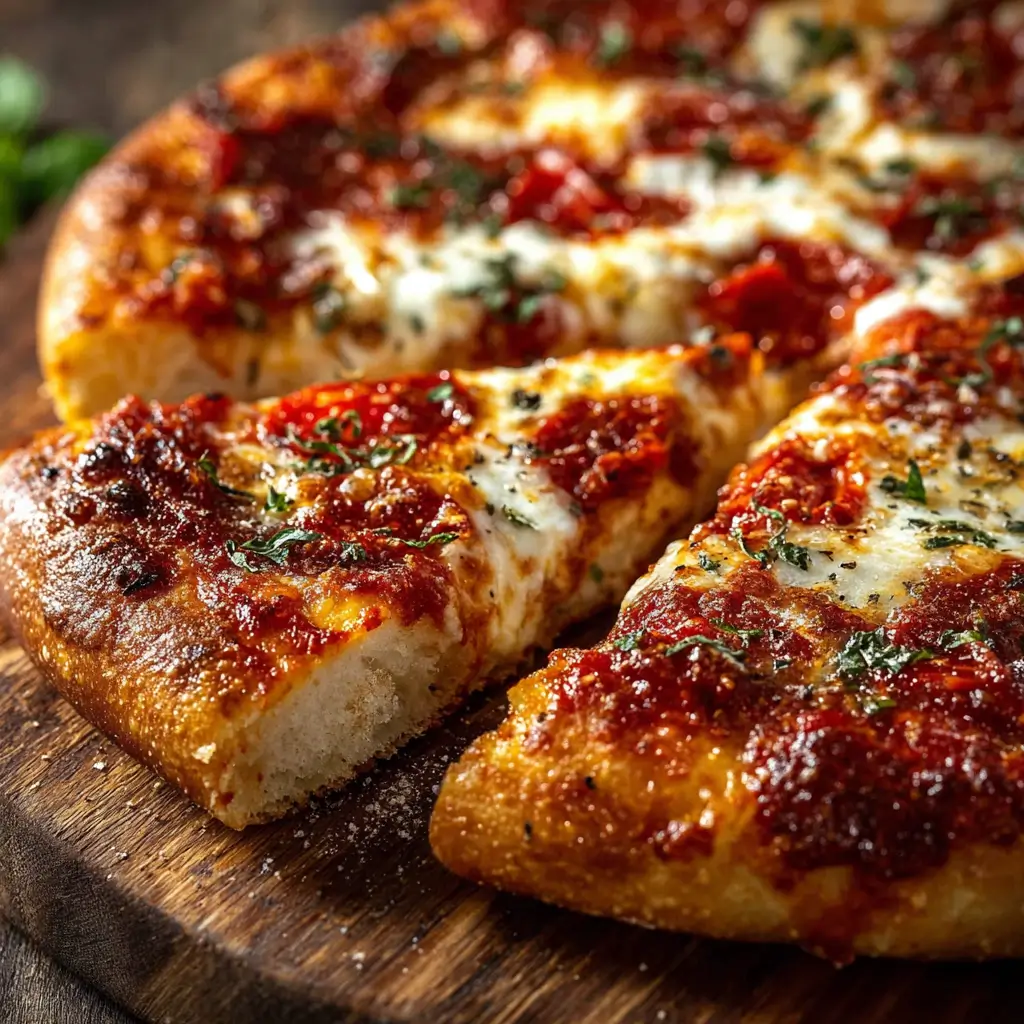
Key Reasons Your Homemade Pizza Differs From Restaurant Pizza
- Oven Temperature and Heat Source
- Many restaurants use wood-fired or commercial pizza ovens (700–900°F) which home ovens can’t match.
- This high heat creates crisp crust and perfectly melted cheese.
- Dough Preparation
- Restaurants often do long, cold fermentations which develop flavor and gluten structure.
- Homemade dough typically lacks this aging step.
- Flour Type and Dough Handling
- High-quality bread flour with high gluten levels vs. all-purpose flour at home.
- Rolling dough can deflate bubbles, leading to denser crust.
- Toppings and Cheese
- Restaurants use fresh, high-moisture mozzarella and lighter sauces.
- Overloading causes sogginess and uneven cooking.
How to Mimic Restaurant Pizza Techniques at Home
- Invest in a pizza stone or steel to simulate a pizza oven floor.
- Prepare dough with long refrigeration fermentations.
- Use a kitchen torch or broiler at the end for crisping toppings if your oven lacks heat.
- Experiment with hydration: wetter doughs (65–70% water to flour ratio) mimic pizzeria dough softness.
Try incorporating these techniques along with indulgent recipe ideas like my air fryer calzones recipe for a convenient twist on classic pizza flavors.
Common Mistakes to Avoid
- Mistake: Using all-purpose flour
Fix: Switch to bread or “00” flour for better texture and chewiness. - Mistake: Overloading toppings
Fix: Use fewer toppings to ensure even cooking and crispy crust. - Mistake: Not preheating the oven long enough
Fix: Preheat your pizza stone or steel for at least 45 minutes at max heat.
FAQ
What is the best flour for homemade pizza dough?
Bread flour or Italian “00” flour are preferred due to their high protein content. They yield a chewy, airy crust typical of restaurant-quality pizza.
Can I use a regular baking sheet instead of a pizza stone?
You can, but a pizza stone or steel retains and distributes heat better, creating a crisper crust. For best results, preheat your stone thoroughly.
How can I make a high-protein breakfast pizza?
Try pairing lean proteins like eggs or beef with fresh veggies. For inspiration, check out this high-protein breakfast burrito recipe for ideas on adding flavor-packed proteins to your morning pizza.
Nutritional Snapshot (Per Serving)
| Nutrient | Amount per Serving |
|---|---|
| Calories | 320 kcal |
| Protein | 15 g |
| Fat | 12 g |
| Net Carbs | 35 g |
| Fiber | 3 g |
| Sugar | 4 g |
Conclusion
Homemade pizza can come close to restaurant quality by focusing on flour choice, dough fermentation, oven temperature, and topping balance. With practice and patience, your kitchen can produce pizzas with a satisfying chew, crisp crust, and fresh toppings. For more on elegant seafood dishes that complement pizza nights, explore elegant scallops with vodka cream sauce. Share your pizza successes and questions below, and subscribe for bold recipes and kitchen tips.